
Interior design is not just about decorating a space—it is about creating a home that supports comfort, functionality, and well-being. A thoughtfully designed interior enhances how a home looks, feels, and functions on a daily basis. From improving space utilization to reflecting personal style, interior design plays a crucial role in shaping a meaningful living environment.
One of the most important benefits of interior design is functionality. A well-designed home ensures that each area serves a clear purpose and works efficiently. Proper furniture placement, storage planning, and layout design make everyday activities easier and more comfortable. Interior design helps avoid clutter, improves movement within the space, and ensures that every corner of the home is used wisely.
A home should be a reflection of the people who live in it. Interior design allows homeowners to express their personality, taste, and lifestyle through colors, materials, textures, and décor elements. Whether it’s a modern, traditional, minimal, or luxurious style, interior design transforms ideas into a personalized space that feels warm, inviting, and uniquely yours.
Enhances Comfort and Functionality
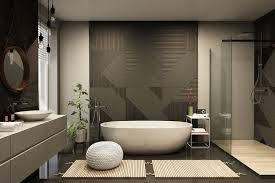
One of the most important roles of interior design is to enhance both comfort and functionality within a home. A well-designed interior ensures that every space is not only visually appealing but also practical and easy to use in everyday life. Comfort comes from thoughtful planning, while functionality comes from smart design decisions that support the way people live.
Interior design focuses on creating layouts that allow smooth movement and efficient use of space. Proper furniture placement ensures that rooms feel open and uncluttered, making daily activities more convenient. Whether it’s a living room designed for relaxation, a kitchen planned for efficiency, or a bedroom created for rest, interior design aligns each space with its purpose.
Comfort is also influenced by factors such as lighting, ventilation, and material selection. Natural light, balanced artificial lighting, and good airflow make a home feel fresh and welcoming. Soft furnishings, ergonomic furniture, and well-chosen textures enhance physical comfort, creating spaces that are enjoyable to spend time in.
Functionality plays a key role in reducing stress and improving daily routines. Smart storage solutions like built-in cabinets, wardrobes, and modular furniture help keep the home organized and clutter-free. When everything has a designated place, the home becomes easier to maintain and more pleasant to live in.
Interior design also considers the needs of all family members. From child-friendly layouts to elderly-friendly designs, a well-planned interior adapts to different lifestyles and stages of life. This thoughtful approach ensures that the home remains comfortable, practical, and supportive over the long term.
In essence, enhancing comfort and functionality means designing a home that works effortlessly for its occupants. A well-designed interior simplifies daily living, improves usability, and creates a balanced environment where beauty and practicality come together seamlessly.
Reflects Personal Style and Identity

A home is a personal sanctuary, and interior design plays a powerful role in expressing the personality, taste, and lifestyle of the people who live in it. Through thoughtful design choices, a house transforms into a home that feels unique, meaningful, and emotionally connected to its occupants.
Interior design allows homeowners to showcase their individuality through colors, textures, materials, furniture, and décor. Whether someone prefers a modern, traditional, minimalist, or luxurious style, interior design brings that vision to life in a cohesive and balanced way. Every element—from wall finishes to lighting fixtures—contributes to telling a personal story.
The design of a home often reflects daily habits, cultural influences, and personal preferences. For example, open and airy layouts may suit social and family-oriented lifestyles, while calm color palettes and minimal décor create peaceful, private spaces. Interior design ensures that the home not only looks beautiful but also aligns with how the occupants live and interact within it.
Personalized interiors also create emotional comfort. Being surrounded by spaces that reflect one’s identity fosters a sense of belonging and pride. Customized furniture, artwork, and décor elements add character and warmth, making the home feel inviting and authentic rather than generic.
Interior design evolves with changing tastes and life stages. A well-designed home can adapt over time while still maintaining its core identity. This flexibility ensures that the space continues to feel relevant and personal, even as lifestyles change.
Improves Mental Well-Being
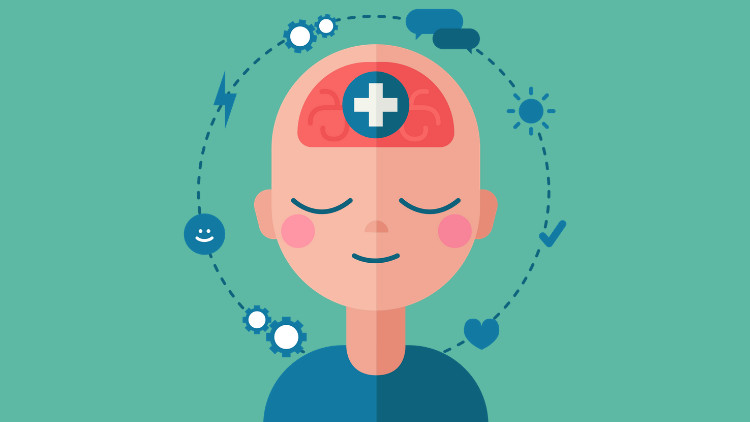
Interior design has a strong influence on mental well-being because the spaces we live in directly affect how we feel, think, and relax. A thoughtfully designed home creates a positive environment that supports emotional balance, reduces stress, and enhances overall quality of life.
One of the key ways interior design improves mental well-being is through the use of natural light and ventilation. Bright, well-lit spaces help regulate mood, improve focus, and promote a sense of openness. Proper airflow and fresh interiors contribute to physical comfort, which in turn supports mental clarity and calmness.
Color selection also plays a vital role in shaping emotions. Soft, neutral, and soothing color palettes create a sense of peace, while warm tones add comfort and security. Interior design uses color psychology to establish the right mood in each space—calm in bedrooms, energy in work areas, and warmth in living spaces.
A well-organized and clutter-free home significantly reduces mental stress. Smart layouts and efficient storage solutions help maintain order, making the home easier to manage. When surroundings are neat and harmonious, it creates a feeling of control and relaxation, allowing residents to unwind more easily.
Interior design also encourages comfort through textures, materials, and furniture choices. Soft furnishings, natural materials, and ergonomic furniture create a cozy and supportive atmosphere. These elements enhance physical comfort, which directly impacts emotional well-being and relaxation.