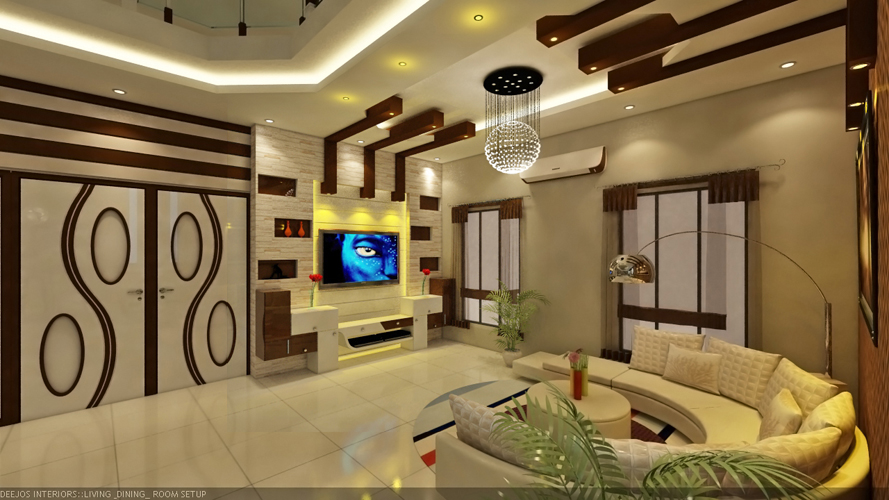
Choosing the perfect interior design for your home is more than just selecting colors and furniture—it’s about creating a space that reflects your personality, supports your lifestyle, and feels comfortable every day. A well-designed home enhances functionality, boosts mood, and increases property value. Whether you are designing a new home or renovating an existing one, making the right design choices is essential.
Here’s a complete guide to help you choose the perfect interior design for your home with confidence.
The first and most important step in choosing the perfect interior design is understanding your lifestyle. Every family uses their home differently. A family with children needs safe, durable, and easy-to-maintain interiors, while a working professional may need a peaceful home office or a multifunctional space.
Ask yourself questions such as:
- How many people live in the house?
- Do you work from home?
- Do you entertain guests frequently?
- What storage requirements do you have?
Your interior design should support your daily routine and future needs, making your home both practical and comfortable.
Understand Your Lifestyle and Needs
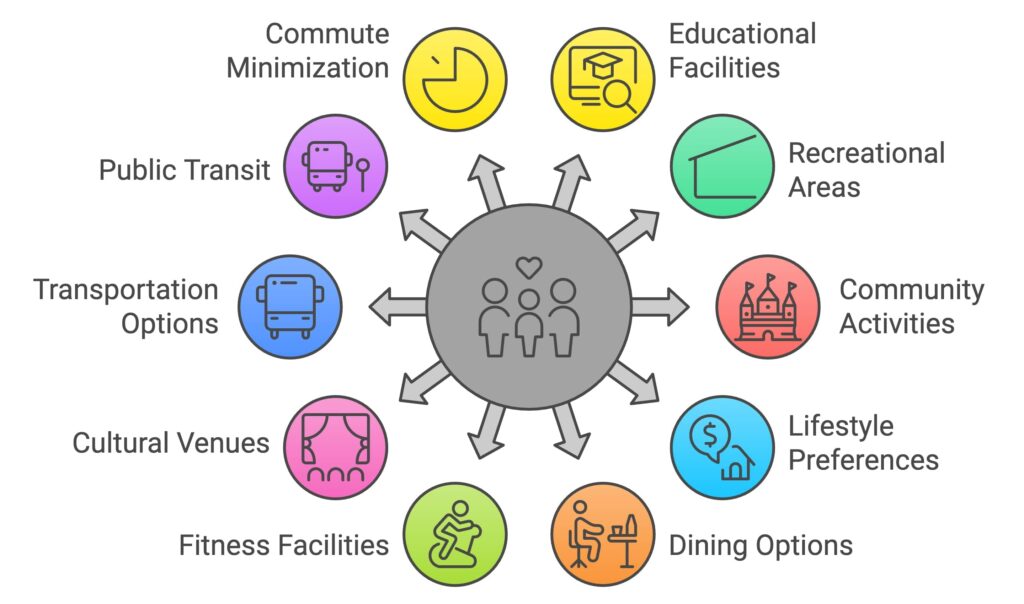
Understanding your lifestyle and needs is the foundation of choosing the perfect interior design for your home. No two households are the same, and a design that works beautifully for one family may not suit another. A successful interior design begins by analyzing how you live, move, relax, and interact within your space every day.
Your home should be designed to support your routines, habits, and future plans while providing comfort and functionality.
Start by observing how your day unfolds at home. Do you spend most of your time in the living room, bedroom, or kitchen? Do you prefer quiet spaces or lively, open areas? For example, someone who works from home may need a dedicated, distraction-free workspace, while families may require open living areas that encourage interaction.
Designing around your daily routine ensures your home feels effortless to use and naturally organized.
The number of people living in your home plays a major role in interior planning. Homes with children need safe designs with rounded edges, durable materials, and ample storage for toys and books. Elderly family members may require easy accessibility, proper lighting, and minimal level differences to prevent accidents.
Each family member’s needs should be considered to create a balanced and inclusive design.
Choose a Design Style That Reflects You

From modern and minimalist to classic and contemporary, interior design styles vary widely. Explore different styles and identify what resonates with you. Look for inspiration in magazines, websites, or completed projects. Choose a style that feels timeless and comfortable rather than following short-lived trends.
Popular styles include:
- Modern
- Contemporary
- Minimalist
- Traditional
- Industrial
- Scandinavian
Focus on Space Planning and Layout
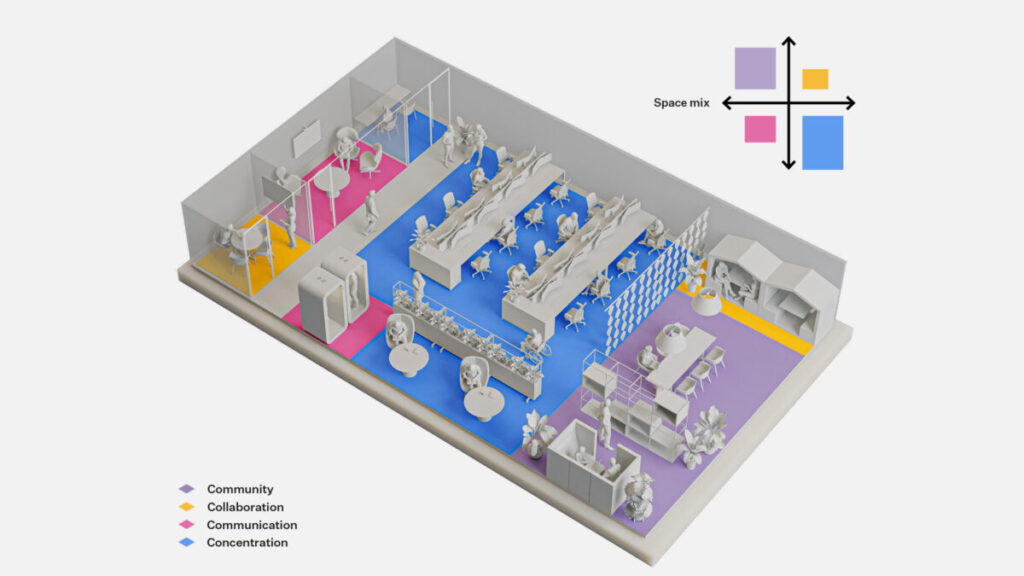
Space planning and layout form the backbone of effective interior design. Even the most beautiful materials and décor cannot compensate for a poorly planned layout. Proper space planning ensures that every area in your home is functional, comfortable, and visually balanced, allowing you to move freely and use the space efficiently.
A well-thought-out layout transforms your home into a place that feels open, organized, and easy to live in.
The first step in space planning is defining how each room will be used. A living room may serve as a family gathering space, entertainment area, or relaxation zone. Bedrooms should provide privacy and comfort, while kitchens must support efficient cooking and storage.
Designing each space based on its purpose ensures functionality without wasted areas.
Furniture placement plays a critical role in space planning. Oversized or poorly placed furniture can make even large rooms feel cramped. Proper spacing between furniture allows easy movement and creates a sense of openness.
Strategic furniture arrangement also helps define zones in open-plan homes, such as separating dining and living areas without using walls.
In compact homes and apartments, smart layout planning becomes even more important. Multi-functional furniture, built-in storage, and minimalistic designs help make the most of limited space. Vertical storage, foldable furniture, and wall-mounted units free up floor area and improve usability.
Good space planning ensures that small homes feel comfortable rather than crowded.
A well-designed layout supports natural movement throughout the home. Clear pathways between rooms, unobstructed door swings, and logical transitions between spaces create a seamless flow. This makes everyday activities easier and enhances overall comfort.
Smooth circulation also improves safety, especially for children and elderly family members.
Modern homes often feature open layouts that combine living, dining, and kitchen spaces. While open designs promote openness and connectivity, it is equally important to maintain privacy where needed. Thoughtful zoning using furniture, lighting, or partitions helps strike the right balance between openness and privacy.